
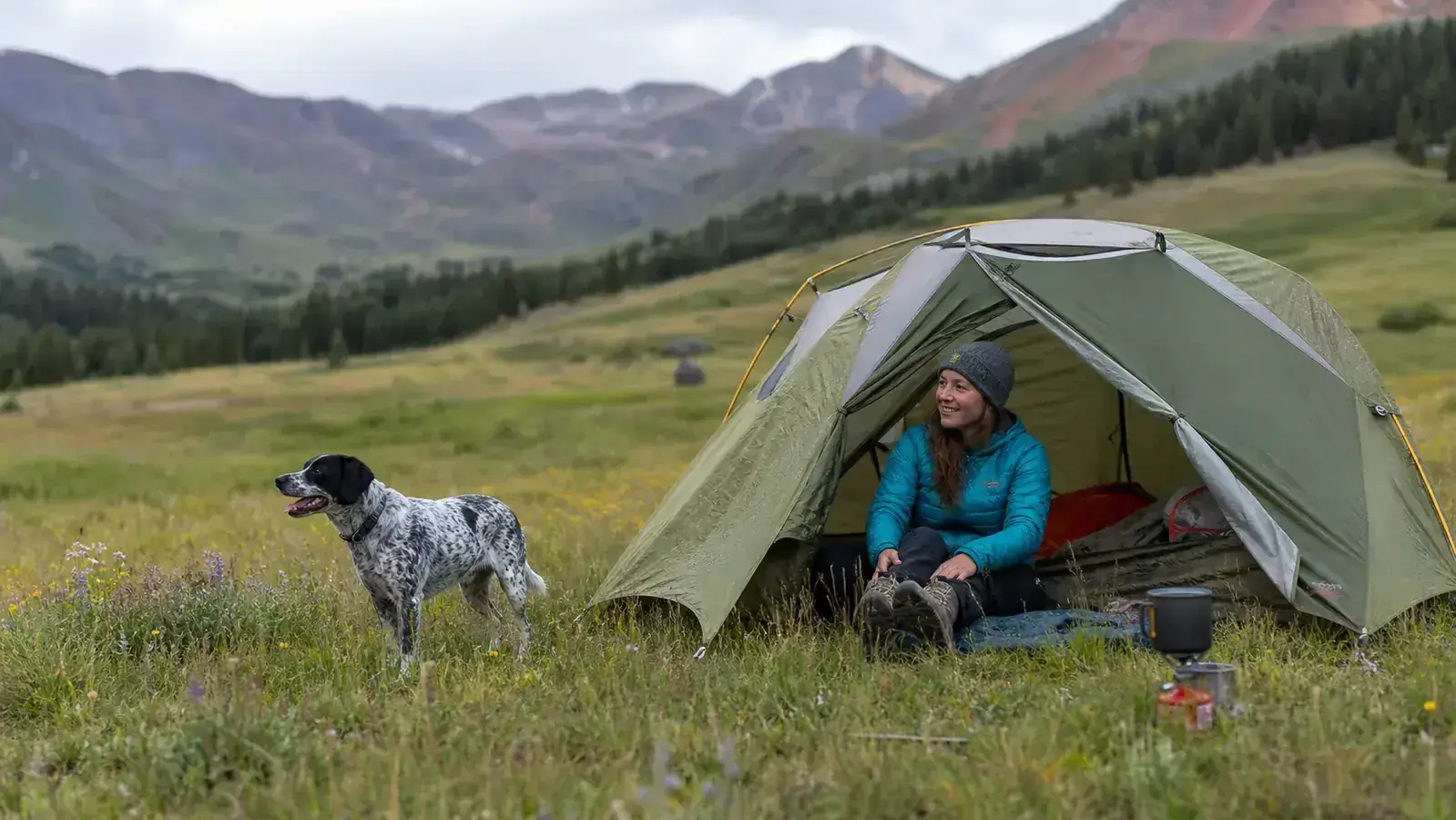
The first time I pitched the Coleman Montana, it was a Friday evening at Chatfield State Park outside Denver. My kids, Nora (8) and Eli (6) at the time, were already arguing about who got the back room before I had the second pole inserted. That was May 2024. Since then, this tent has been on 14 trips across Colorado and southern Wyoming, through two thunderstorms, one night that hit 34 degrees in June, and more dusty San Isabel campsites than I can count. I paid full price for it, nobody sent it to me for review, and I had every reason to want it to work because returning a tent after it is already dirty is a pain I did not want to deal with.
The short version: the Coleman Montana is a capable, roomy family cabin tent that handles car camping well and holds up to normal seasonal weather. It is not a backpacking tent, not a four-season tent, and not a budget tent. It sits squarely in the mid-range family camping category and does what it advertises better than most tents in its price range. There are specific failure points you should know about before you buy, and I will get to those.
The Quick Verdict
Spacious, genuinely weatherproof for three-season car camping, and solid enough to outlast several seasons of weekend use. The stake anchors and zipper pulls need attention early.
Amazon Check Today's Price →Done reading reviews that skip the bad parts? Here is a tent that earns its 4.4-star rating for real families.
The Coleman Montana has held up through 14 camping trips in Colorado weather. Check whether it is in stock and at what price today on Amazon before the weekend fills your calendar.
Amazon Check Today's Price on Amazon →How I Have Used It Over Two Seasons
My family camps about once a month from April through October. We car camp almost exclusively, which means the tent lives in the back of my 4Runner and gets set up and broken down at drive-in campgrounds. Our group is typically four people: my wife, our two kids, and sometimes my brother-in-law with his dog. Total load: four sleeping bags, two air mattresses, a portable fan, and whatever gear migrates in overnight. The Montana is listed as an 8-person tent; in practice, six adults would be cozy and four people with gear is genuinely comfortable.
I set it up solo twice when my wife was watching the kids at the car and I wanted to get camp established fast. With the new pole attachment system Coleman calls WeatherTec, it took me about 20 minutes solo the first time and 14 minutes after I learned the sequence. The pre-bent poles and color-coded clips reduce confusion significantly. Two people who have done it once should be at ten minutes flat.
The 8-person configuration uses an optional room divider that turns the interior into a two-room layout. I keep it clipped in almost every trip. Nora and Eli are at the age where they want some separation from the adults at bedtime, and the divider handles that without buying a second tent. It is just a fabric panel on clips, so do not expect real sound isolation, but it is better than nothing. The divider uses the same attachment clips as the poles and has held up without any fraying or loosening after 14 uses.
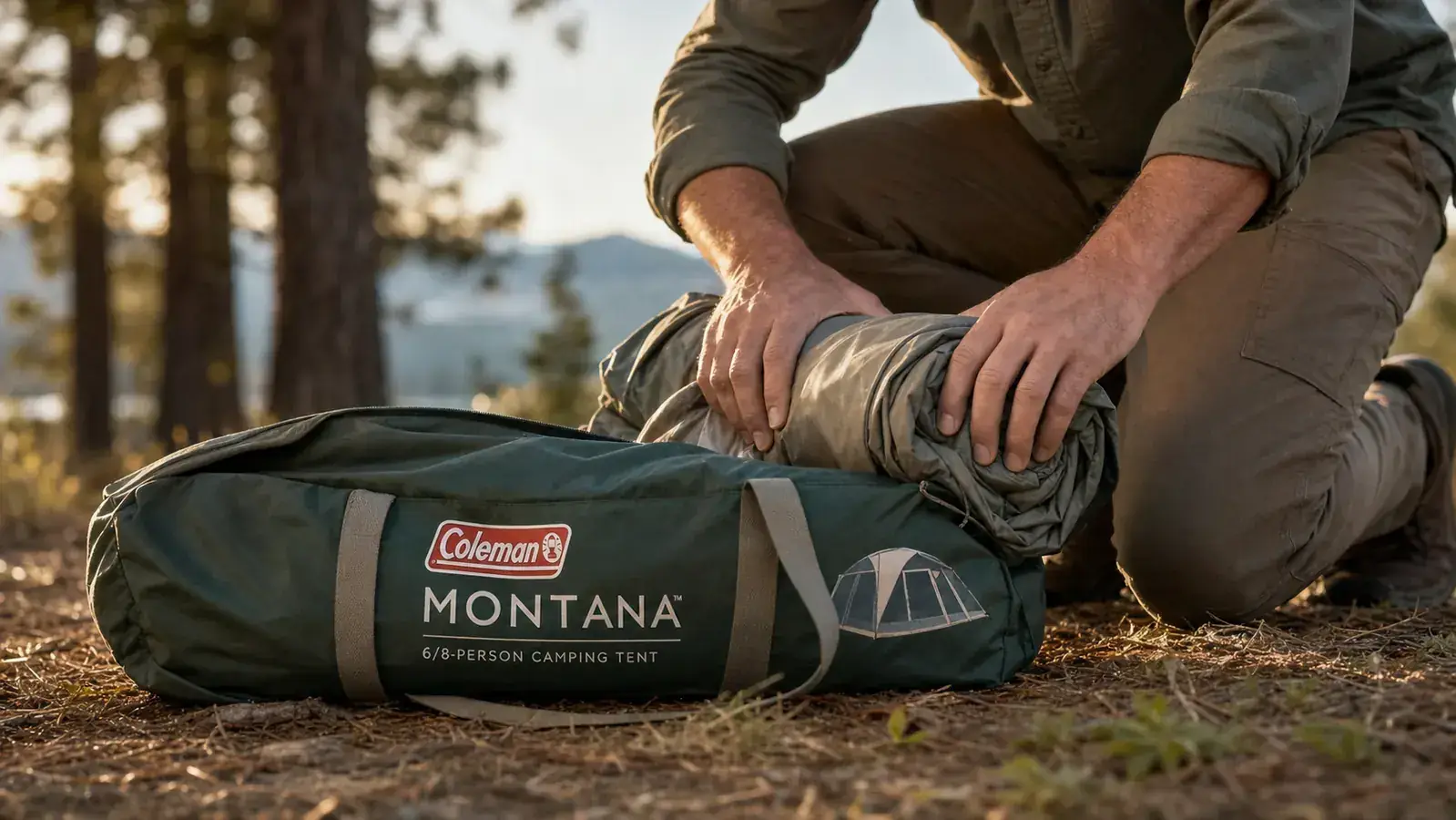
Packing down also takes less time than I expected for a tent this large. The poles break down into sections that fit into the included carry bag alongside the rainfly and footprint. I can have it stuffed and ready in about 12 minutes. The bag has a shoulder strap and two grab handles, which matters when you are carrying it from a parking lot to a campsite that is 200 feet away. If you camp at walk-in sites with any real distance, know that 17 pounds gets heavy fast and plan accordingly.
Weatherproofing: Where the Montana Actually Earns Its Reputation
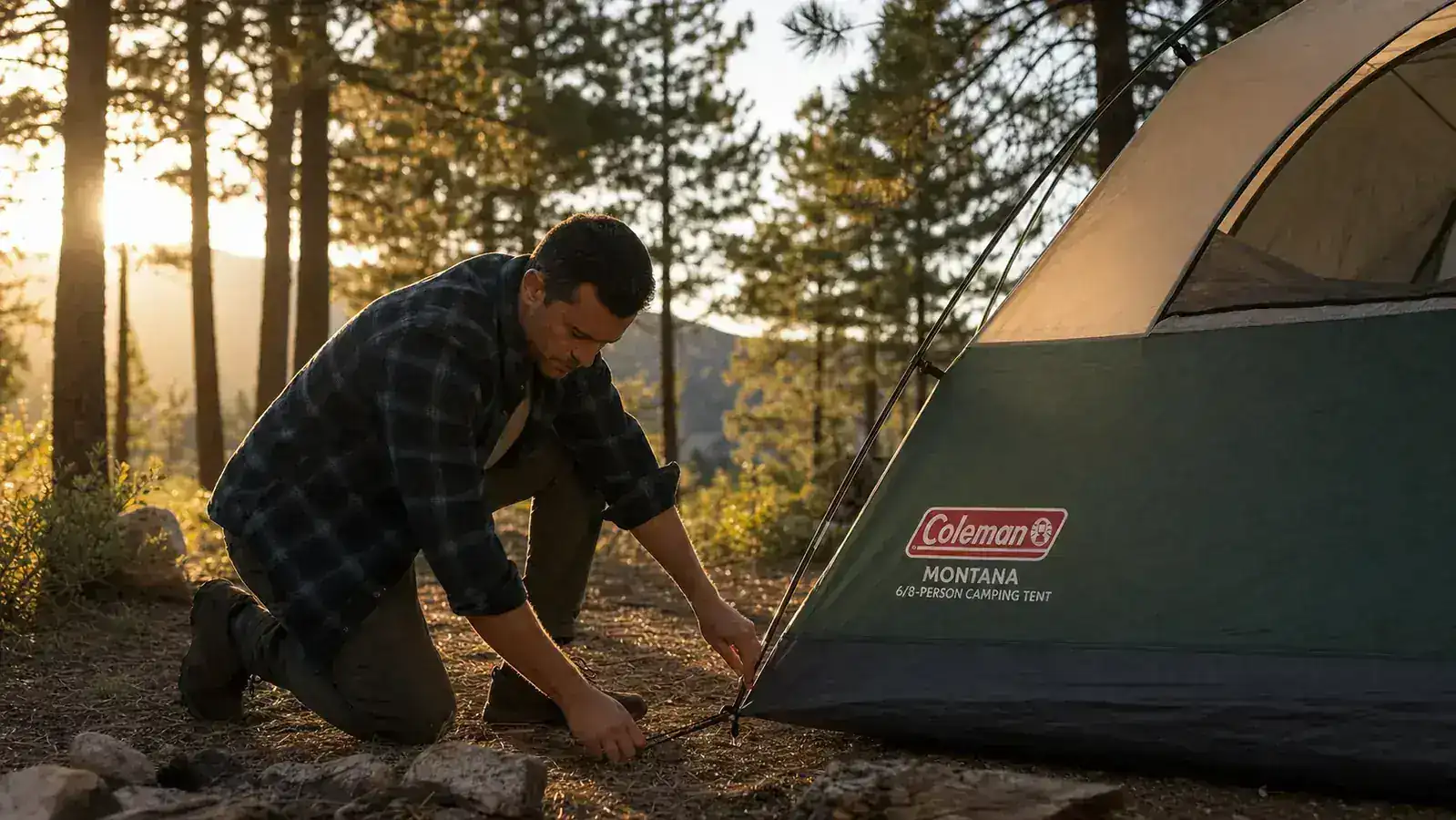
In August 2024, we were at Eleven Mile State Park when a fast-moving thunderstorm rolled in around 10pm. Wind hit first, then about 45 minutes of steady rain. I had staked it correctly with all eight stakes, and the rainfly was properly seated. Result: the interior stayed dry. Not damp-in-the-corners dry or mostly-dry. Actually dry. The floor, the gear, the sleeping bags, all of it.
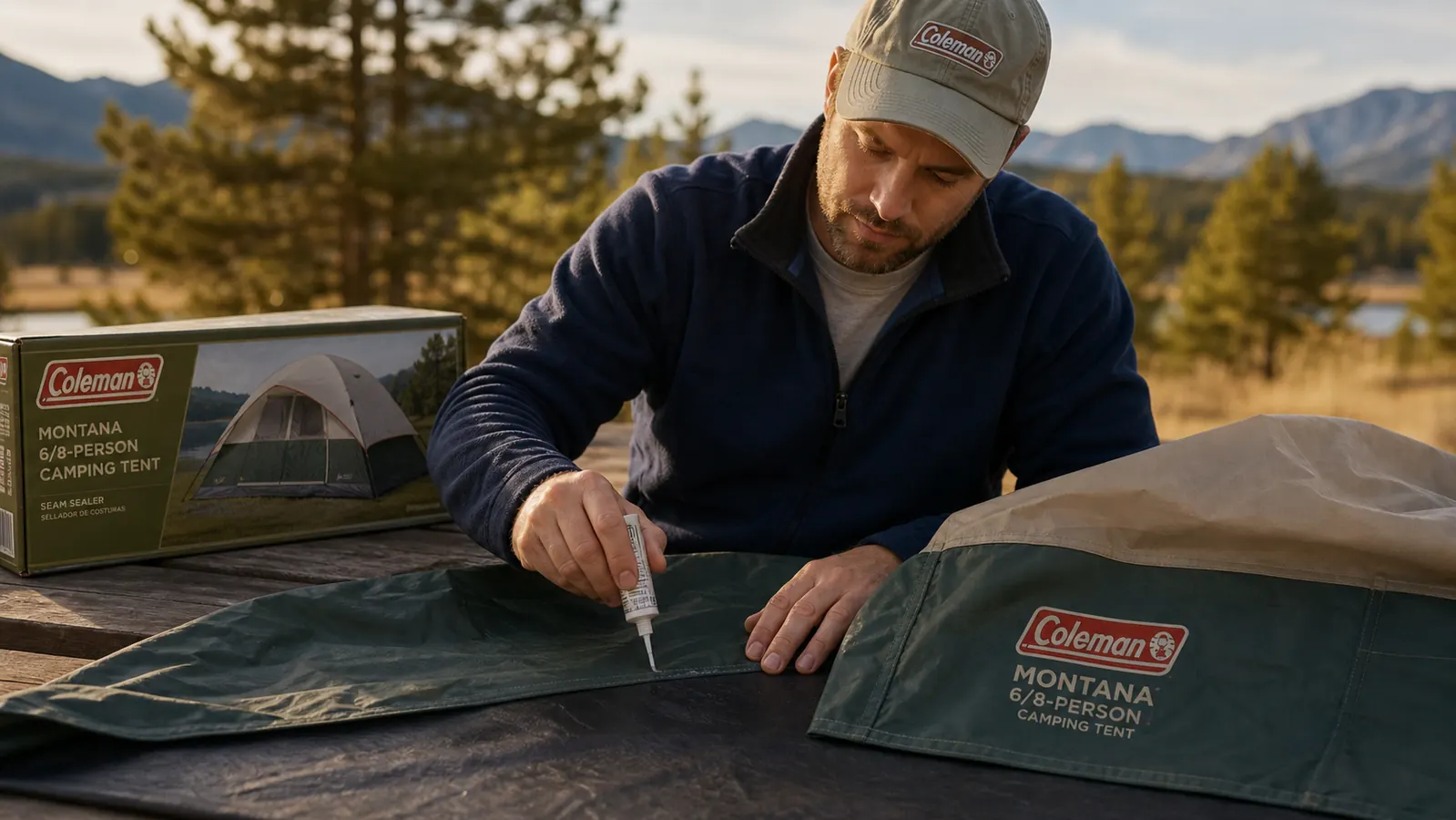
The WeatherTec system involves welded seams on the floor and inverted seams on the walls, which keeps water from wicking through the stitching. The rainfly extends low enough on the sides to block wind-driven rain without blocking ventilation entirely. The two mesh windows and mesh ceiling section stay protected under the fly even in moderate rain, which means you can leave them open and still get airflow without water intrusion.
One caveat: this tent is not rated for snow load or sustained high wind. I would not trust it above treeline or at an exposed site in a Colorado afternoon thunderstorm with 50mph gusts. For three-season car camping at established campgrounds, it is weatherproof. For alpine or shoulder-season backcountry camping, look at something with a lower profile and more robust pole structure.
After two seasons and 14 trips, the Montana has never let water in. That is the one thing a tent absolutely has to do, and this one does it without drama.
Interior Space and Livability
The footprint is 16 by 7 feet. If you have not stood inside a cabin-style tent with nearly vertical walls, it is a different experience from a dome tent. I am 6-foot-1 and I can stand upright anywhere except within about six inches of the sidewall. That matters more than I expected. Changing clothes without doing the bent-knee squat, packing gear in the morning, or just walking to the back of the tent to find a headlamp without ducking all add up over a multi-night trip.
Storage pockets line the interior walls, and there is an E-port for running an extension cord or power bank cable inside. The gear loft above the doorway is a convenient spot for headlamps and phones. The two large mesh windows on the sides plus the mesh ceiling panel create enough cross-ventilation to handle warm June nights. On trips above 8,000 feet elevation, condensation has been minimal even with all four people sleeping inside.
I did one trip where we brought a 48-inch box fan and ran it from a campsite electrical hookup at Mueller State Park. The E-port handled the cord cleanly and the fan sat on the floor between the two sleeping sections. If you camp at sites with power, that feature gets more useful than it looks on the product page.
What Bent, Wore, or Failed
I am not going to skip this section. Three things have gone wrong or required attention over two seasons.
First, one of the stake loops on the corner of the rainfly tore at the seam after trip seven. Not a catastrophic failure, just the webbing detached from the stitching. I repaired it with a small strip of Tenacious Tape and it has held through seven more trips. The stake loop webbing on this tent is not its strongest feature. If you are camping in consistently windy conditions, reinforce those loops early or replace them with aftermarket guy-out points before they tear.
Second, the main door zipper developed some resistance by the end of season one. Not stuck, just stiff. A light application of zipper lubricant fixed it immediately and it has been smooth since. I now lube all three zippers at the start of every season as standard maintenance. Takes about two minutes and costs nothing if you already have the lubricant.
Third, the included stakes are thin wire that bend in hard Colorado soil. I replaced all eight with 7-inch shepherd's hook stakes on the second trip and have not thought about it since. Budget a few extra dollars if you camp anywhere with firm or rocky ground. The Coleman stakes that come in the bag are adequate for soft, loamy soil, but that describes about half of the Colorado Front Range campsites I have used.
What I Liked
- Genuinely vertical walls give full stand-up height for anyone under 6-foot-4
- WeatherTec floor and seams kept the interior completely dry through two real rain events
- Room divider works well for separating kids from adults at bedtime
- Setup is manageable solo in about 14 to 20 minutes once you know the pole sequence
- E-port and gear loft add practical convenience at campgrounds with power hookups
- Ventilation through mesh ceiling and side windows reduces condensation effectively
Where It Falls Short
- Stake loops on the rainfly use thin webbing that can tear under sustained wind
- Included stakes bend in firm soil, replacement stakes needed before your first trip
- Door zipper needs lubrication maintenance or it stiffens by end of season one
- Packed size and weight at 17 lbs are not backpack-friendly by any measure
- Not rated for snow load or sustained alpine wind, strictly a three-season car camping tent
Alternatives I Considered
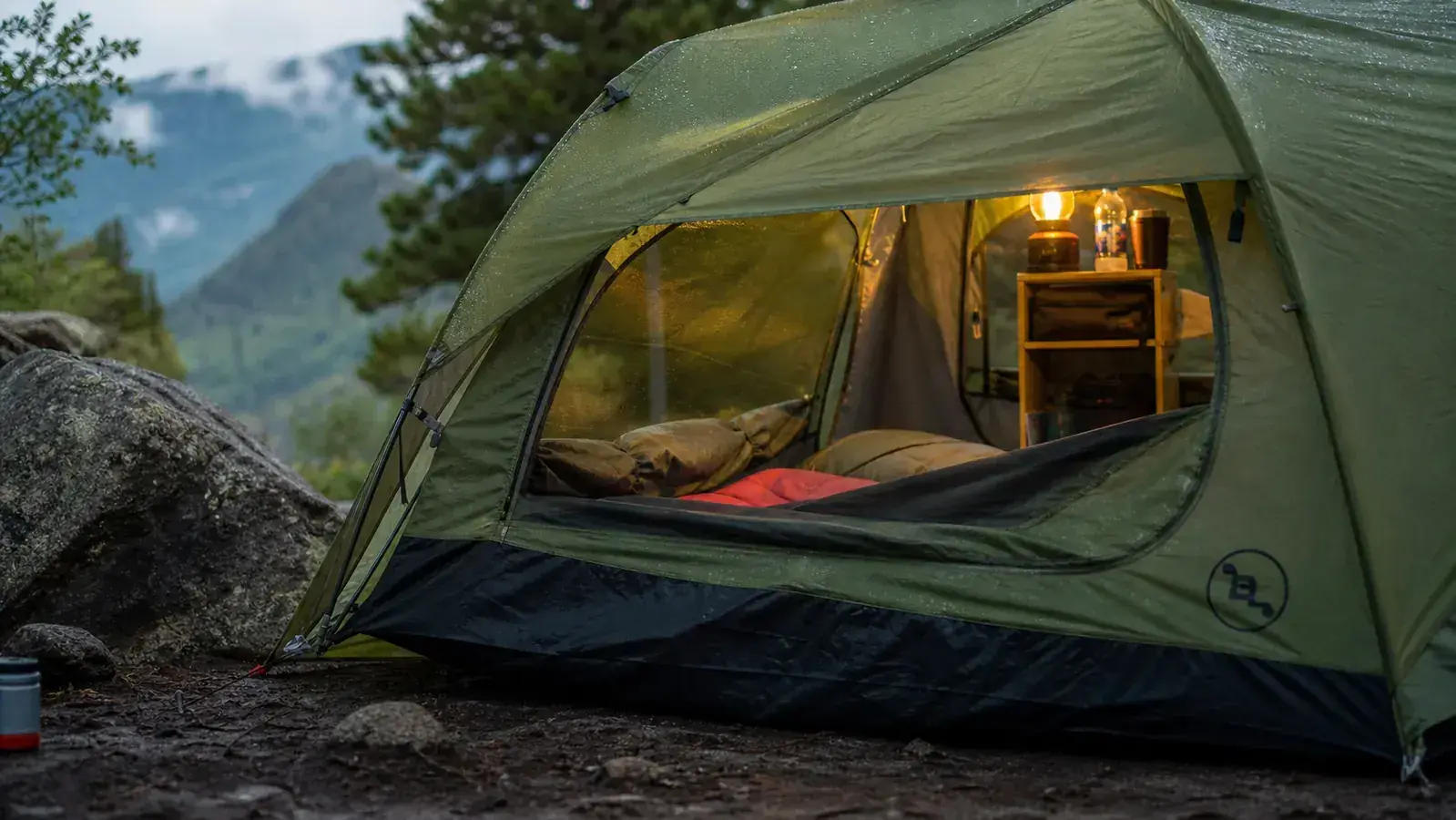
Before buying the Montana, I seriously looked at the CORE 9-Person Instant Cabin and the REI Co-op Base Camp 6. The CORE is cheaper and sets up faster, but the pole structure is pre-attached and bulkier when packed, and several long-term reviews I found mentioned the instant-setup hub weakening after a couple of seasons. The REI Base Camp 6 is more weatherproof and has a bomber pole structure, but it costs about twice as much and is smaller inside. For a family of four at a car campground who wants room to move and does not need expedition-level weather resistance, the Montana hits a better value point than either.
The Ozark Trail 10-person cabin tent is a cheaper alternative that looks similar on spec sheets. I spent an hour at a campground talking with a family running one. The material felt noticeably thinner, the windows had smaller mesh panels, and the pole clips had more play in them. It may last a season or two of light use, but I would not count on it surviving a series of Front Range thunderstorms the way the Montana has for me.
If you want a head-to-head comparison of the Montana and the CORE Instant Tent with specific specs and a clear recommendation for which type of camper each suits, I broke that out in a separate piece. And if you are curious why cabin tents in general outperform dome tents for family camping, that is worth reading before you commit to any tent in this category.
Who This Is For
The Coleman Montana is a good fit if you are a family or small group of four to six people who car camp at established campgrounds from spring through fall. You want a tent you can stand up in, you have kids or gear that benefit from a room divider, and you are not trying to carry the tent in a backpack. You camp in three-season weather, meaning rain and wind are possible but you are not pitching in snow or sustained 60mph gusts. At its current price, it is one of the stronger values in the mid-range family cabin tent segment. The 4590 Amazon reviews and 4.4-star average are consistent with what I have experienced firsthand.
Who Should Skip It
If you backpack and need to carry your shelter more than a quarter mile, skip this entirely. At 17 pounds with the carry bag, it is a car camping tent by design and intent. If you camp above treeline or in exposed alpine conditions where wind and weather are unpredictable, you need a lower-profile four-season tent with a more robust pole system. And if you are looking for the absolute least expensive option that just covers your head for one or two trips a year, the Montana is likely more tent than your situation currently calls for. It rewards people who camp regularly and want something that will still be standing and waterproof three seasons from now.
Two seasons and 14 trips later, I would buy it again. Here is where to check current pricing.
The Coleman Montana 8-person has been my family's primary shelter for two Colorado camping seasons. If the specs match your situation, check today's price on Amazon and confirm it is available in your size.
Amazon Check Today's Price on Amazon →